
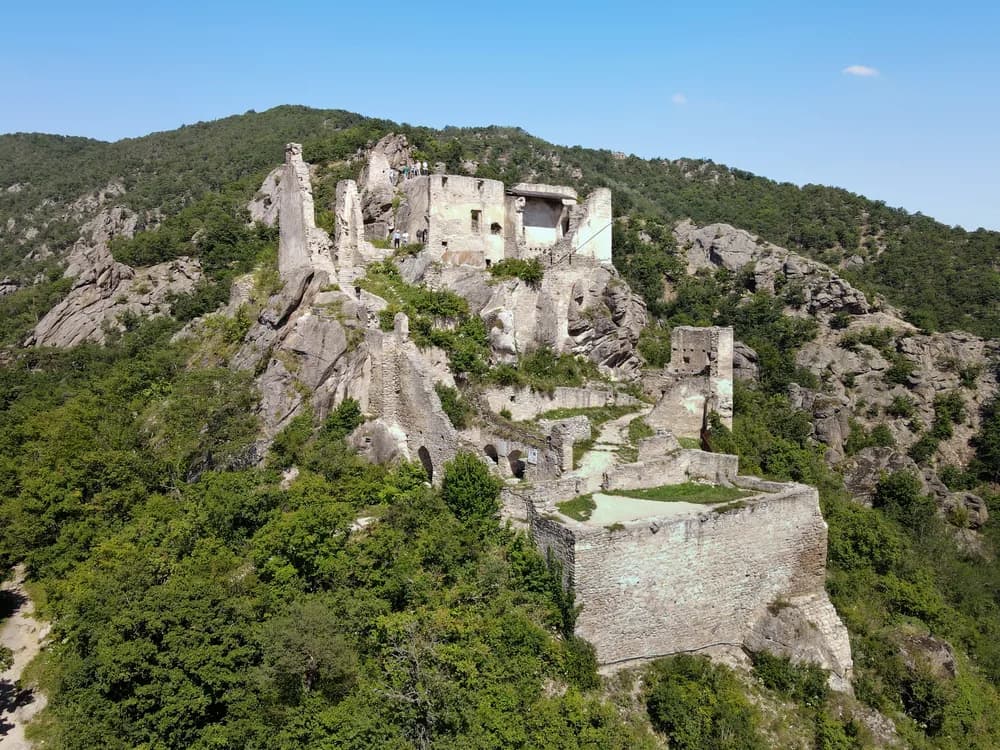
© Unsplash
Dürnstein Castle
Burgruine Dürnstein
Austria · Lower Austria, Wachau · Near Krems an der Donau
Built 1140 · Medieval Austrian
Quick Facts
- Hours
- The ruins are freely accessible at all times via a hiking trail. The climb takes 20–30 minutes from Dürnstein village.
- Tickets from
- Free
- Duration
- 1.5 hours
- Best time
- April to October
- Nearest city
- Krems an der Donau
Highlights
- ✦UNESCO Wachau Cultural Landscape
- ✦Prison of Richard I of England (Richard the Lionheart) in 1192–1193
- ✦Legend of the troubadour Blondel searching for his captive king
- ✦Dramatic views over Danube vineyards, apricot orchards, and the Wachau valley
- ✦The ruined tower is visible from Danube cruise ships passing below
Skip the queue with a guided tour
Skip-the-line tickets & expert guides
The ruined castle of Dürnstein stands on a steep limestone crag above one of the most beautiful river landscapes in Europe — the UNESCO Wachau valley, where Danube wine terraces and apricot orchards stretch between Melk and Krems. The castle's fame rests entirely on one extraordinary episode: in 1192, the returning Crusader king Richard I of England (Richard the Lionheart) was captured by Duke Leopold V of Austria near Vienna and secretly imprisoned here. Legend holds that Richard's loyal troubadour Blondel wandered Europe searching for his king, eventually identifying the castle by singing one of their shared songs from below the walls until Richard answered from his tower. Richard was held for 14 months until a vast ransom was paid. The ruined tower where he was kept still stands, and the climb from the blue-domed Baroque village of Dürnstein below is one of the most rewarding short hikes in Austria.
History
The castle was built around 1140 by the Kuenring family. Duke Leopold V of Austria imprisoned Richard I of England here from December 1192 to March 1193, extracting a ransom of 150,000 marks of silver — two years of English royal income. The castle passed to the Habsburgs and was largely demolished in 1645 during the Thirty Years' War by Swedish forces. The ruins were left standing and became one of the most celebrated Romantic-era destinations in the Danube valley. The Wachau was inscribed as a UNESCO Cultural Landscape in 2000.
How to Visit
Dürnstein is 80 km west of Vienna in the Wachau valley. Trains run from Vienna Hauptbahnhof to Krems (1 hour), then local bus or taxi to Dürnstein (10 km). Danube cruise ships from Vienna, Linz, and Passau stop at Dürnstein — arriving by boat with the castle visible on the crag above is the classic Wachau experience. The hike to the ruins takes 20–30 minutes from the village.
Frequently Asked Questions
The story of the troubadour Blondel singing beneath the castle walls is a medieval romantic legend rather than documented history. Richard's imprisonment at Dürnstein, however, is fully historical.
Location
Burgruine Dürnstein, 3601 Dürnstein, Austria
Nearby Castles
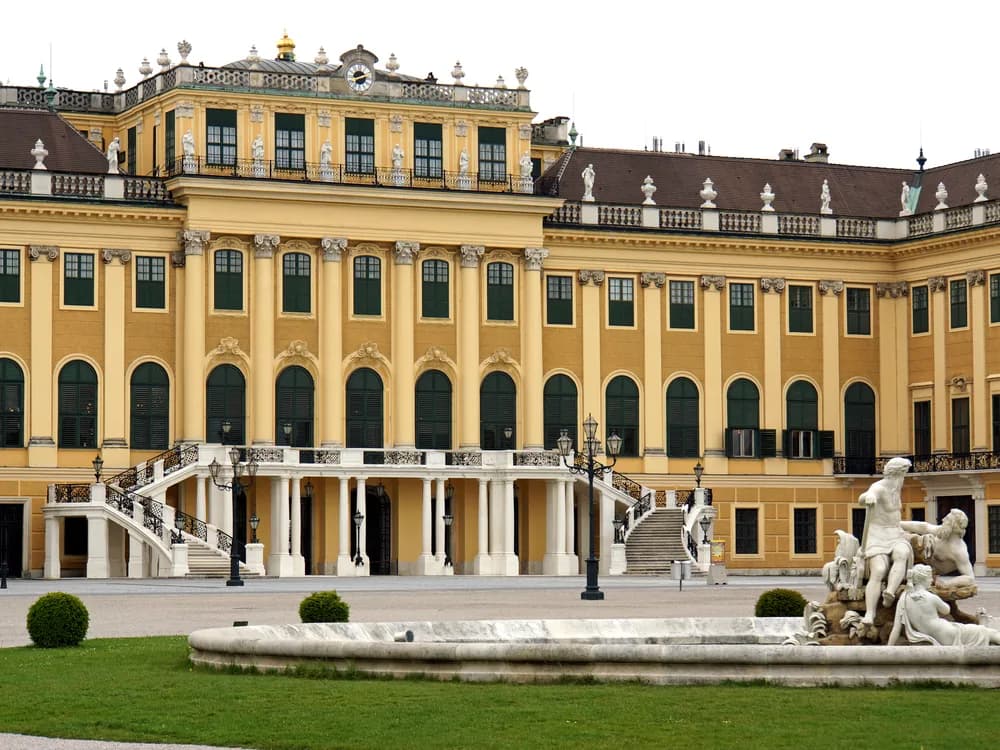
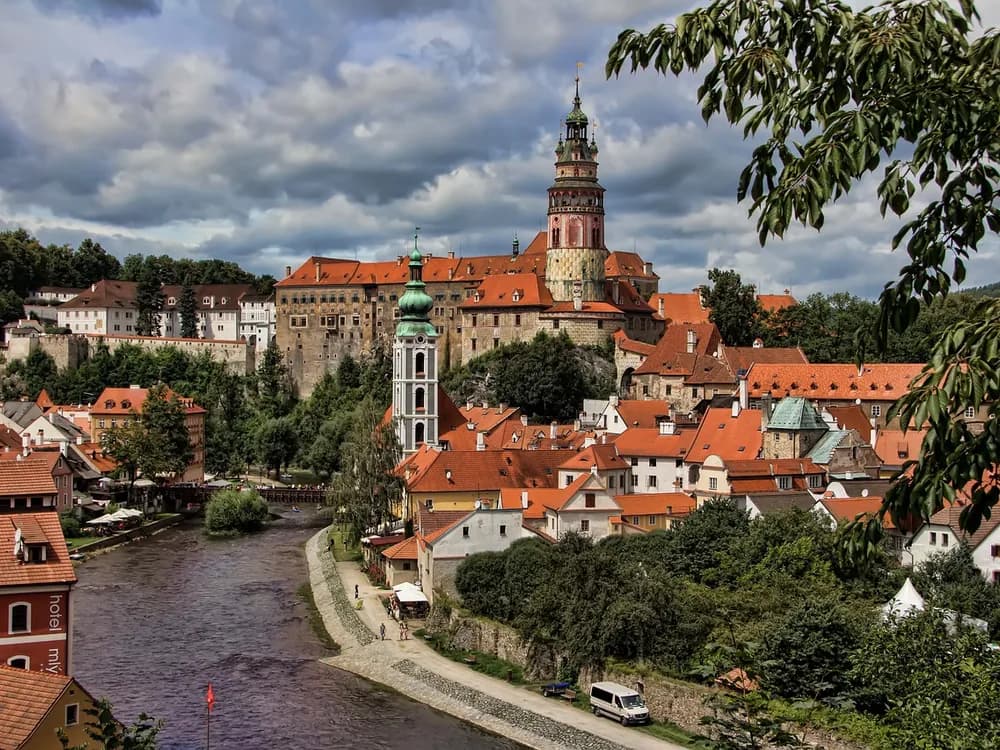
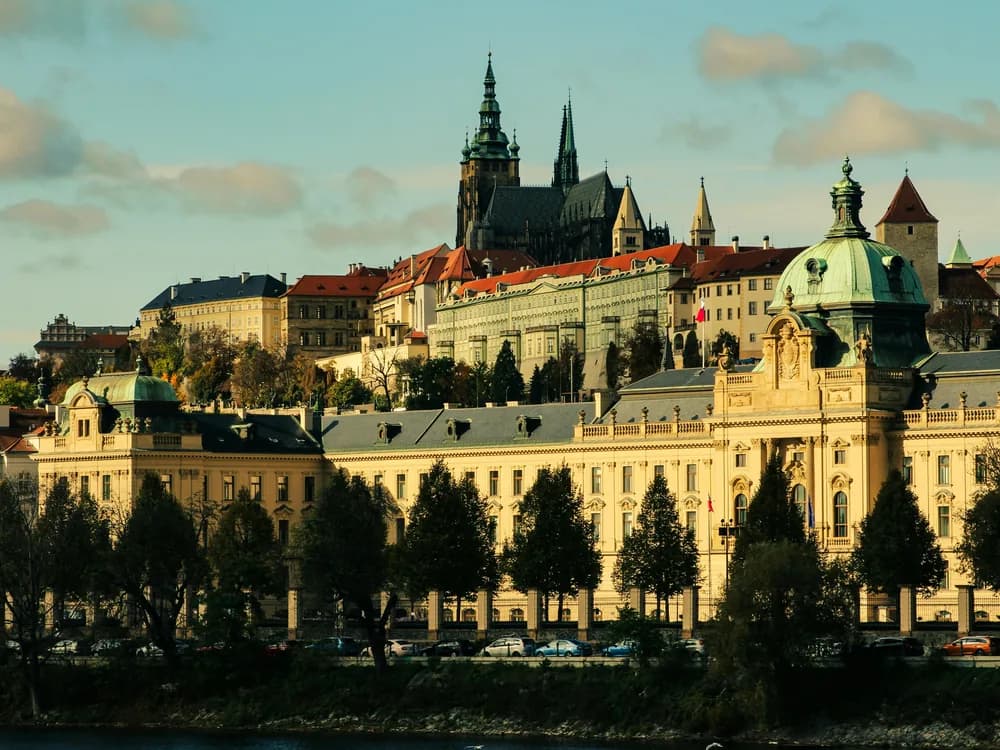
Tours & Tickets
Powered by GetYourGuide
Free Entry