
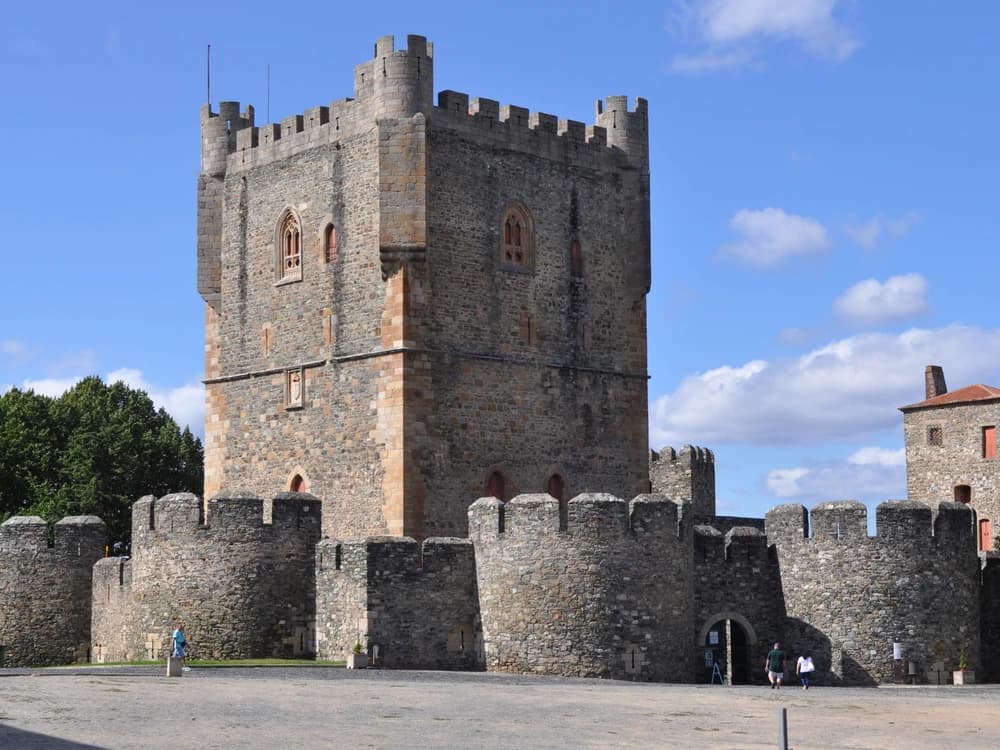
© Unsplash
Bragança Castle
Castelo de Bragança
Portugal · Trás-os-Montes / Bragança District · Near Porto
Built 1187 · Medieval Portuguese
Quick Facts
- Hours
- Open Tue–Sun 09:00–17:00 (Oct–Apr); 09:00–18:00 (May–Sep). Closed Mondays and national holidays. The castle is within a larger historic citadel (cidadela) that is always accessible.
- Entry from
- €3
- Duration
- 1.5–2.5 hours
- Best time
- May to October — winter is harsh in Trás-os-Montes
- Nearest city
- Porto
Highlights
- ✦The castle sits within a remarkably complete medieval citadel, with houses and a church still occupied inside the walls
- ✦The Torre de Menagem (keep) at 33 metres is one of the tallest medieval towers in Portugal
- ✦A pillory stock — the ancient symbol of municipal justice — stands in the citadel square, unusual and striking
- ✦The founding seat of the House of Bragança — the dynasty that ruled Portugal from 1640 to 1910
- ✦Remote location in Trás-os-Montes rewards visitors with virtually no tourist crowds
Skip the queue with a guided tour
Skip-the-line tickets & expert guides
Bragança Castle is not Portugal's most spectacular castle by conventional measures — Sintra is more romantic, Guimarães more historically significant, Almourol more dramatically positioned. What Bragança offers instead is something rarer: an intact medieval citadel, with a living village inside its walls. The small houses and Romanesque church of Santa Maria within the castle enclosure are still occupied and in use, creating an extraordinary atmosphere of unbroken continuity between the 12th century and the present day.
The castle itself dominates the citadel from a central rise — a severe square keep, the Torre de Menagem, rising 33 metres above the courtyard and housing a military museum on its lower floors. But the real experience of Bragança is the citadel as a whole: walking the medieval lanes between whitewashed houses, seeing the ancient pillory stock (pelourinho) that served as the symbol of municipal justice, and climbing the castle walls for views across the wild Trás-os-Montes plateau — a landscape that feels genuinely remote even by Portuguese standards.
The name Bragança resonates through European history. The House of Bragança, founded here, became the ruling dynasty of Portugal in 1640 and produced not only the kings of Portugal until 1910 but also the Emperor of Brazil and — through Catherine of Bragança's marriage to Charles II — left a permanent mark on English history. Catherine introduced afternoon tea to England. A city in the most remote corner of Portugal gave its name to one of the most English of habits.
History
The site of Bragança has been occupied since pre-Roman times, and a castle of some kind stood here throughout the medieval period. The present structure dates largely from 1187, built by Sancho I of Portugal who recognised the strategic importance of this frontier position close to the border with Castile.
The town gave its name to the House of Bragança when João I of Portugal granted the lands to his illegitimate son Afonso in 1442, creating him Duke of Bragança. The Braganças became the wealthiest and most powerful noble family in Portugal, which eventually led to conflict with the crown. In 1483, Fernando II, Duke of Bragança, was executed by João II for conspiracy. The family's power was temporarily broken, but not permanently — they recovered under subsequent monarchs and eventually claimed the Portuguese throne itself when the Habsburgs lost control of Portugal in 1640.
The 8th Duke of Bragança became King João IV, founding the final royal dynasty of Portugal. His descendants ruled until the proclamation of the republic in 1910. The last king of Portugal, Manuel II, died in exile in England in 1932 — ending the Bragança line on the throne, though the House of Bragança continues to exist and makes occasional claims to the Portuguese throne.
How to Visit
Getting there: Bragança is in the extreme north-east of Portugal, close to the Spanish border. From Porto, the drive takes about 2 hours on the A4 and IP4 motorways. From Lisbon, it is about 5 hours by car. There is a bus service from Porto (Rede Expressos, about 3 hours) and from Lisbon (about 6 hours). There is no train service to Bragança.
What to see: The citadel and castle grounds are the priority. The Torre de Menagem military museum is worth the €3 entry for the views from the top. Walk the citadel lanes and examine the pelourinho (pillory). The Domus Municipalis — a rare example of Romanesque civic architecture from the 12th century — is immediately beside the castle and is one of the oldest secular buildings in Portugal.
Combine with: The Montesinho Natural Park immediately north of Bragança is one of the wildest areas in Portugal, with traditional schist villages barely changed since the Middle Ages. For castle enthusiasts, Vinhais Castle (30 km west) and Miranda do Douro (60 km south-east, with dramatic canyon gorge) are worth adding.
Frequently Asked Questions
Bragança gave its name to the House of Bragança, the last royal dynasty of Portugal (1640–1910) and the imperial dynasty of Brazil. The town and castle were the ancestral seat of the Braganças from 1442. Through Catherine of Bragança's marriage to King Charles II of England in 1661, the Bragança connection also reaches into British history — Catherine is credited with introducing afternoon tea to England.
Location
Cidadela de Bragança, 5300-073 Bragança, Portugal
Nearby Castles
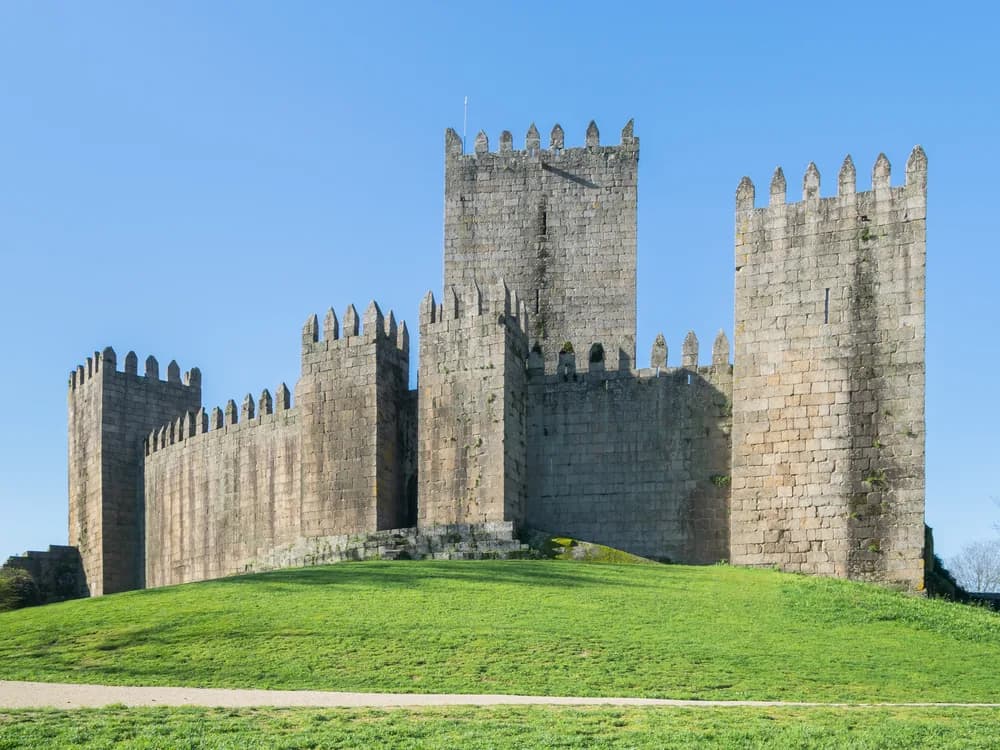
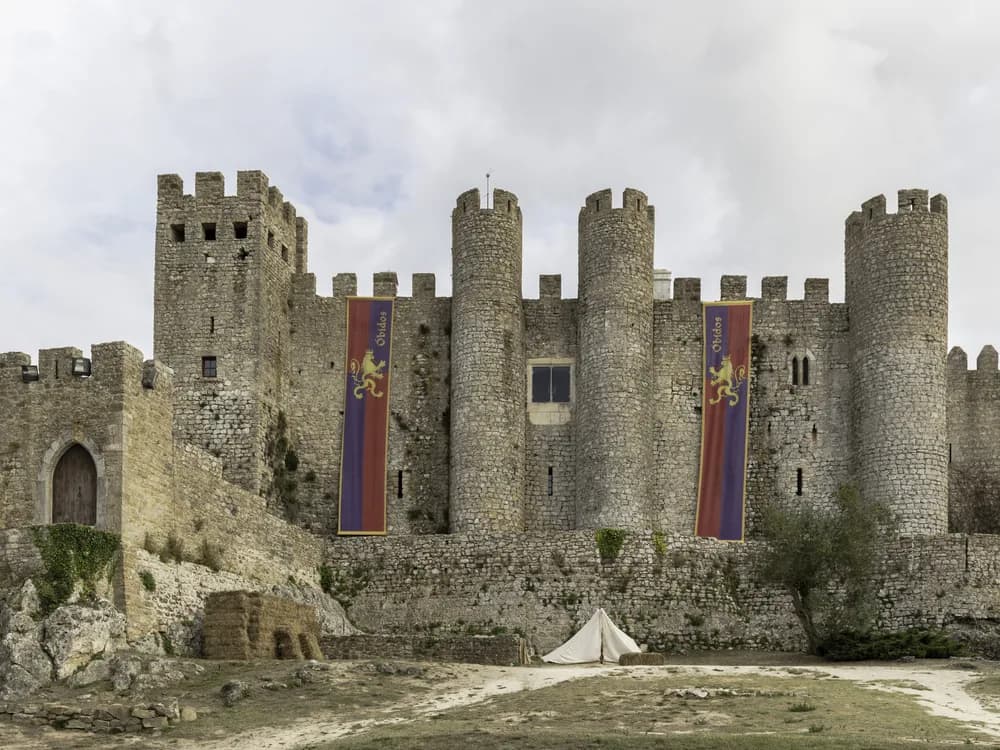
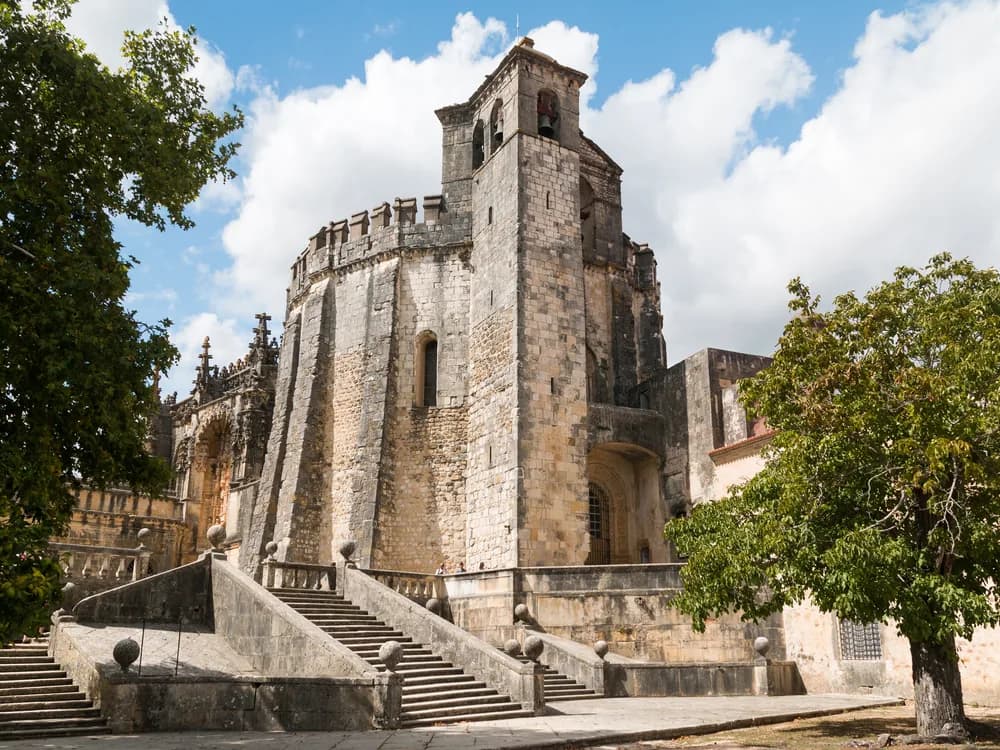
Tours & Tickets
Powered by GetYourGuide
Entry from
€3/ adult