
France · Updated May 2026
The Best Castles in France: 6 Unmissable Châteaux
France has more castles than any country in Europe — over 40,000 châteaux scattered from Normandy to the Pyrenees, from Alsace to the Atlantic coast. Choosing six feels reductive. But these six represent something more specific than just the largest or most famous: they are the castles that, between them, tell the story of French royal ambition, Renaissance sophistication, and the particular relationship between French architecture and the landscape it inhabits.
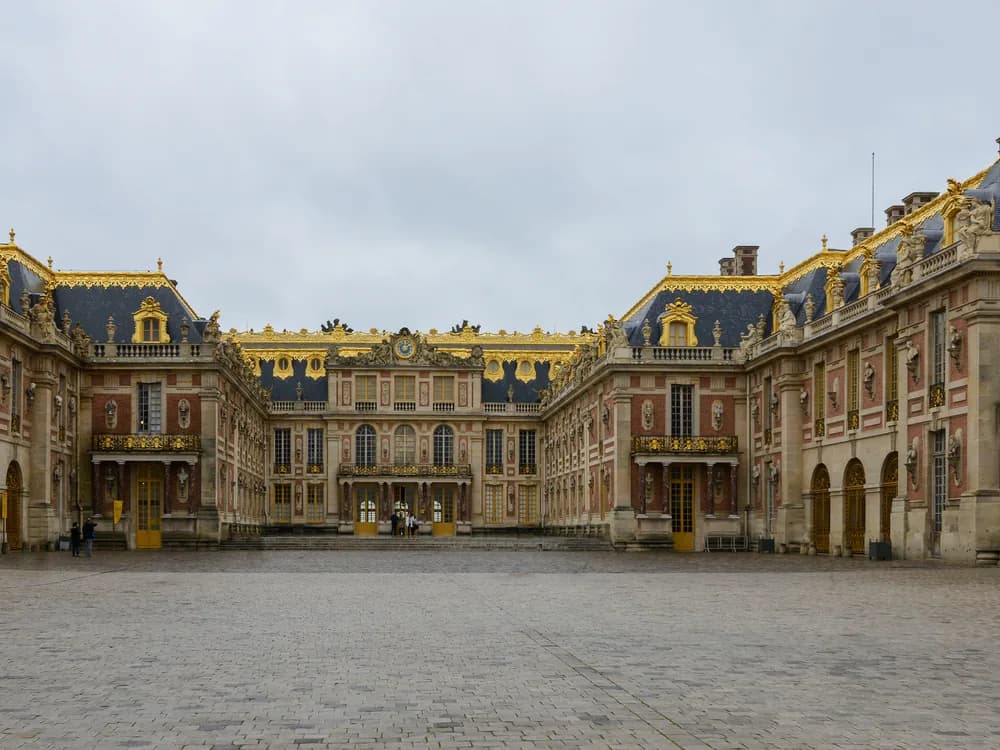
1. Palace of Versailles — The Benchmark of Royal Ambition
No list of French castles begins anywhere else. Versailles is the building against which every other royal palace in Europe measures itself — and usually finds itself wanting. Louis XIV's creation of a palace and court city 20km from Paris was the most audacious architectural and political statement of the 17th century: 2,300 rooms, 800 hectares of formal gardens, and 20,000 people living within its precincts at its peak.
The Hall of Mirrors alone — 73 metres long, 357 mirrors reflecting 17 windows overlooking the gardens — is worth the trip from Paris. But allow a full day, or ideally two: the Trianon palaces and Marie Antoinette's Hamlet are less crowded and architecturally equally extraordinary.
Essential info: Book online at least 2 weeks ahead. Take RER C from Paris (40 min). Arrive at opening on a weekday.
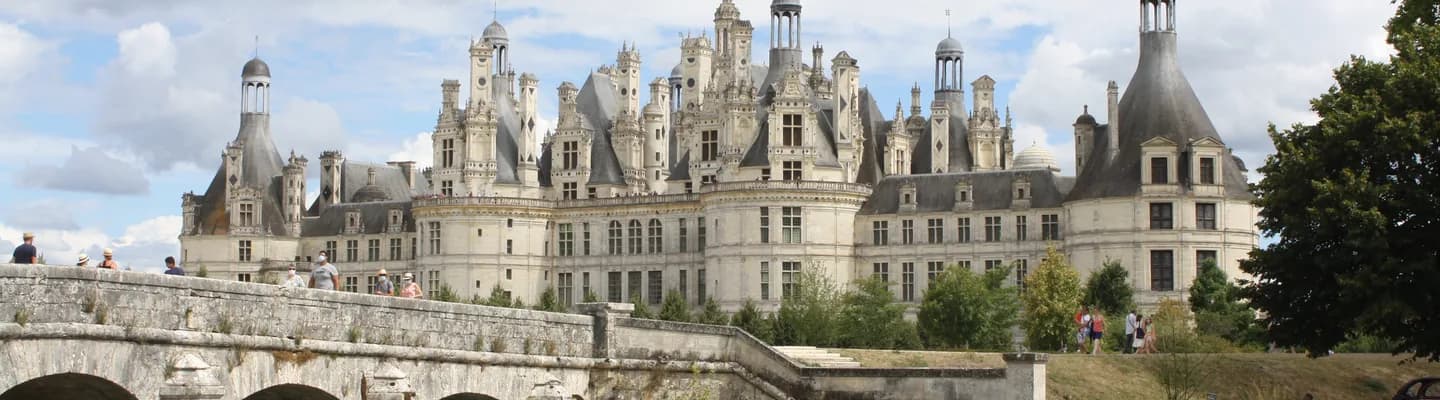
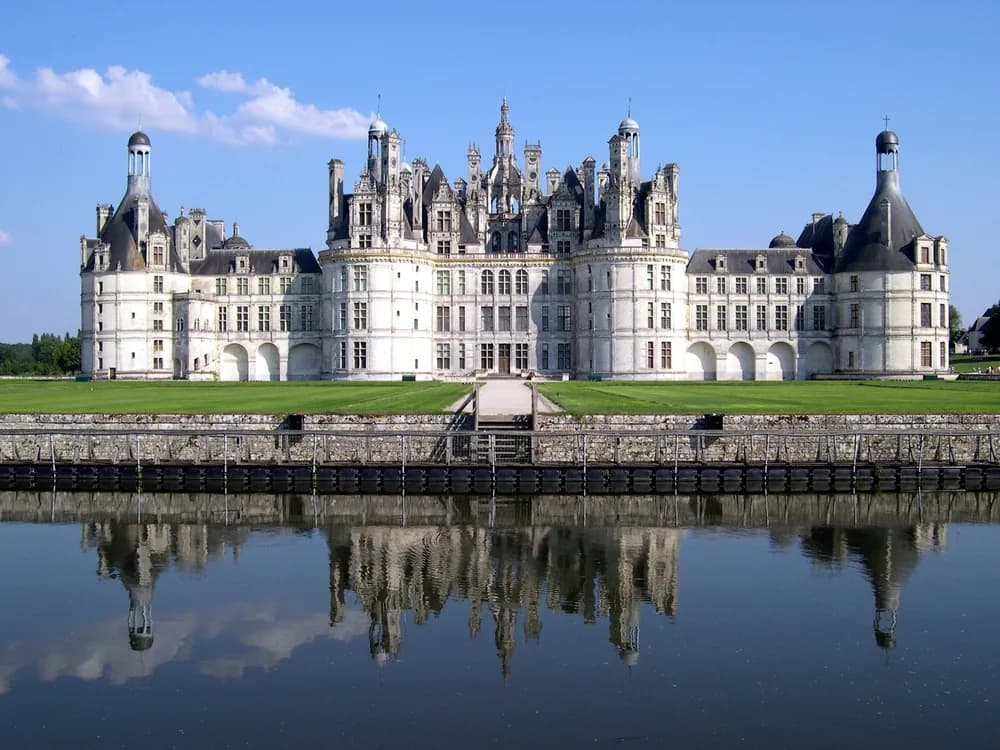
2. Château de Chambord — The Loire Valley's Greatest Folly
Chambord exists for no practical reason. François I built it as a hunting lodge he used for less than 40 days across his entire reign — a building whose sole purpose was to astonish. With 426 rooms, 365 chimneys, and a roofline so complex it has been compared to an upended skyline, Chambord achieves astonishment completely.
The double-helix staircase at its centre — two spirals sharing an axis, so two people ascending and descending simultaneously never meet — has been attributed to Leonardo da Vinci for centuries. Scholarly debate continues; the coincidence of timing (Leonardo died in 1519, the year construction began) is impossible to ignore.
Essential info: No train to Chambord — take TGV to Blois (1h from Paris) then bus or taxi. The rooftop terrace is the best part; don't skip it.
3. Château de Chenonceau — The Ladies' Château
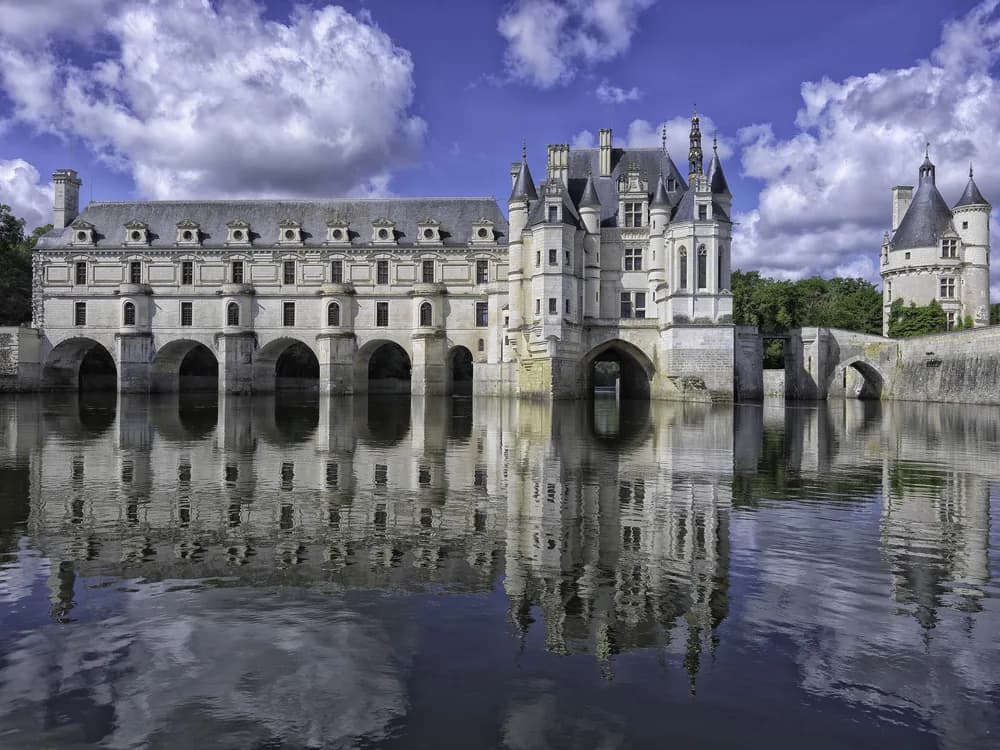
Chenonceau is the Loire's most emotionally affecting château, and its most architecturally singular: a building that spans an entire river on five arches, its 60-metre gallery suspended above the Cher. Six women shaped it across five centuries, most notably Diane de Poitiers (who built the bridge) and Catherine de Médicis (who built the gallery), and the building carries their personalities in its rooms and gardens.
During WWII, the gallery formed the border between German-occupied and Vichy France, and was used by the Resistance as a clandestine crossing point. The contrast between this dark history and the rose gardens and reflecting moat is Chenonceau's particular power.
Essential info: Train from Paris to Chenonceaux village (change at Tours). 5-min walk from station. If you visit one Loire château, make it this one.
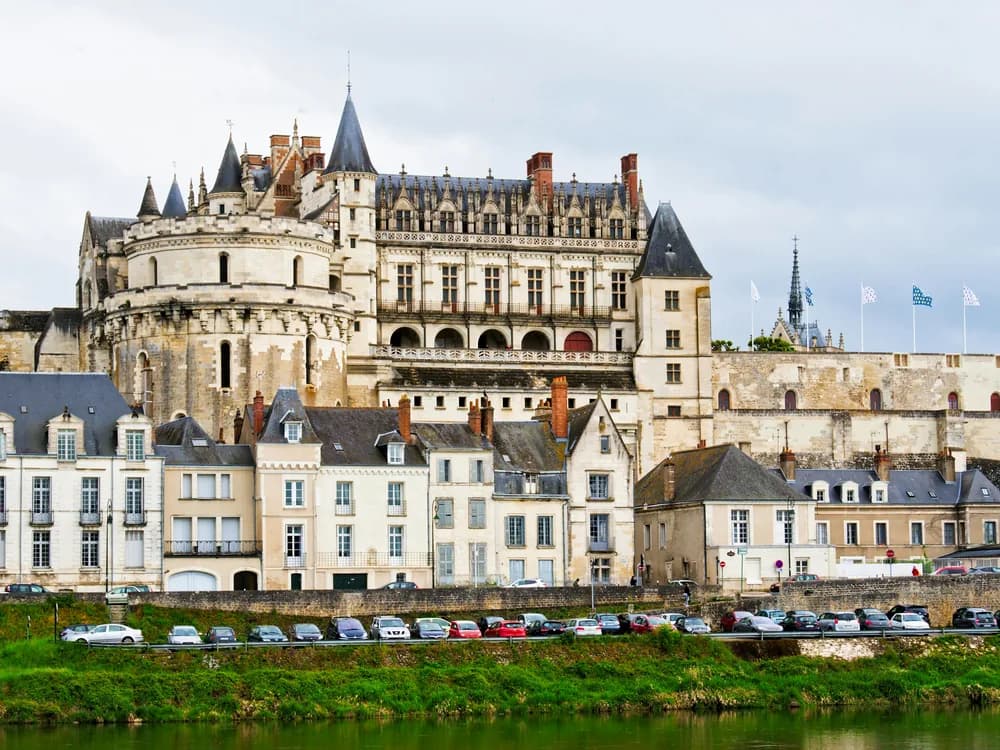
4. Château d'Amboise — Where the French Renaissance Began
Amboise is the point where Italian Renaissance culture entered France. Charles VIII returned from his Italian campaign in 1495 and installed 22 Italian craftsmen and artists here, beginning the transformation of French taste that would produce Chambord, Chenonceau and Versailles in succession. It is also, more poignantly, where Leonardo da Vinci spent the last three years of his life as François I's guest, dying in 1519 in the Clos Lucé manor a five-minute walk from the château.
The château itself is a fragment of its original size — approximately 85% was demolished in the 19th century — but what remains is extraordinary, particularly the terrace views over the Loire and the flamboyant Gothic Chapel of St-Hubert where Leonardo's tomb is located.
Essential info: Combine the château with Clos Lucé (Leonardo's final home, separate ticket, €17). Together they make a complete half-day.
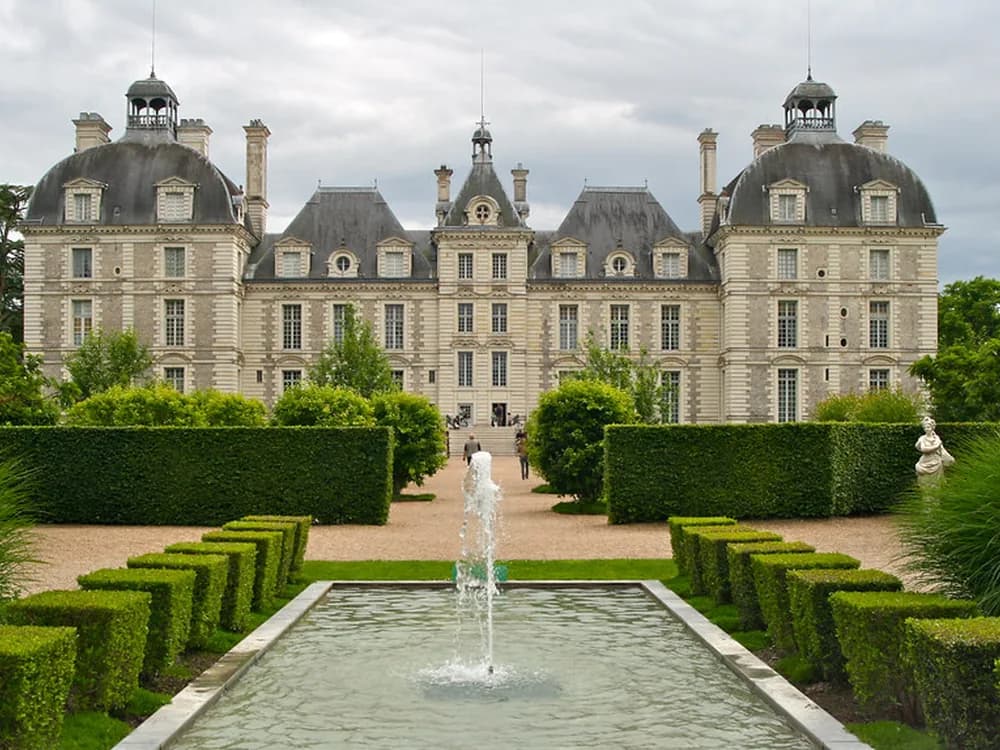
5. Château de Cheverny — The Living Château
Cheverny is the only major Loire Valley château that has been continuously owned and inhabited by the same family since 1634. The Hurault family's actual historic furnishings fill the public rooms — Flemish tapestries, 17th-century portraits, family silver — creating an atmosphere of inhabited elegance that state museums can only approximate.
Cheverny is also, for millions of visitors, the model for Moulinsart: Captain Haddock's ancestral château in Hergé's Tintin. The exterior matches Hergé's drawings closely enough that a permanent exhibition explores the connection with original artwork. The daily feeding ceremony for 120 pack hunting hounds is one of the Loire's most unexpected experiences.
Essential info: 15km from Chambord — the natural pairing. No train; taxi from Blois or bicycle from Chambord.
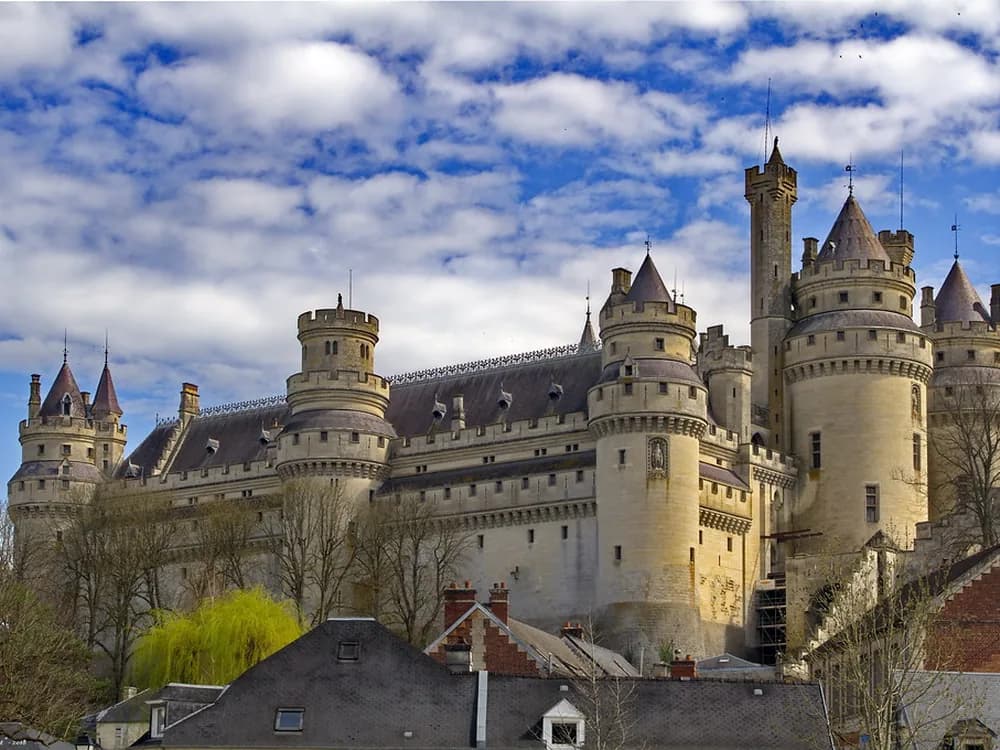
6. Château de Pierrefonds — Napoleon III's Medieval Fantasy
Pierrefonds is the most honest castle in France: a building that makes no claim to historical authenticity and is magnificent for it. Napoleon III commissioned Eugène Viollet-le-Duc (who also restored Notre-Dame and Carcassonne) to rebuild a ruined 14th-century fortress as his personal medieval retreat, and what resulted is a 19th-century vision of the Middle Ages at full architectural scale.
It is also Camelot — the BBC series Merlin (2008–2012) filmed here for five seasons. The connection brings fans who then discover the genuine architectural interest beneath the fiction.
Essential info: 80km from Paris, day trip territory. Train to Compiègne (50 min) then bus or taxi (15 min). Budget €9 entry — remarkable value.
Planning Your French Castle Trip
- ✦From Paris: All six castles are day-trip accessible. Versailles and Pierrefonds by train; Chambord, Chenonceau, Amboise and Cheverny from Tours (1h10 TGV from Paris).
- ✦Best base for the Loire: Tours has the best transport links. Amboise is more charming and more central for the main châteaux.
- ✦Best season: April to June for the gardens in bloom and manageable crowds. September is also excellent. Avoid July–August unless you book everything in advance and arrive at opening time.
- ✦Book ahead: Versailles specifically requires advance booking. The Loire châteaux are generally walk-up, but online tickets save queue time.
Castles in this Guide
france · Île-de-France
Palace of Versailles
The palace that defined royal ambition for three centuries
france · Loire Valley
Château de Chambord
François I's Renaissance fantasy — the Loire Valley's most theatrical château
france · Loire Valley
Château de Chenonceau
The ladies' château — built on arches over a river by the women who loved it most
france · Loire Valley
Château d'Amboise
Where the French Renaissance began — and where Leonardo da Vinci died
france · Loire Valley
Château de Cheverny
The original Moulinsart — Tintin's château, still owned by the family who built it 400 years ago
france · Picardy / Oise
Château de Pierrefonds
Napoleon III's restored medieval fantasy — Camelot in the forests of Picardy